

The European Commission is preparing to propose new rules requiring electric vehicles to contain at least 70% European Union content in order to qualify for state subsidies, according to a report by the Financial Times. The move is aimed at protecting the bloc’s manufacturing base amid intensifying competition from lower-cost Chinese producers.
Under the proposed framework, only electric vehicles meeting the 70% EU content threshold would be eligible for national government incentives. The requirement would apply to key components such as batteries, electric drivetrains, and other critical parts, as well as final vehicle assembly. The measure is intended to encourage automakers to deepen their production footprint within the EU and strengthen regional supply chains.
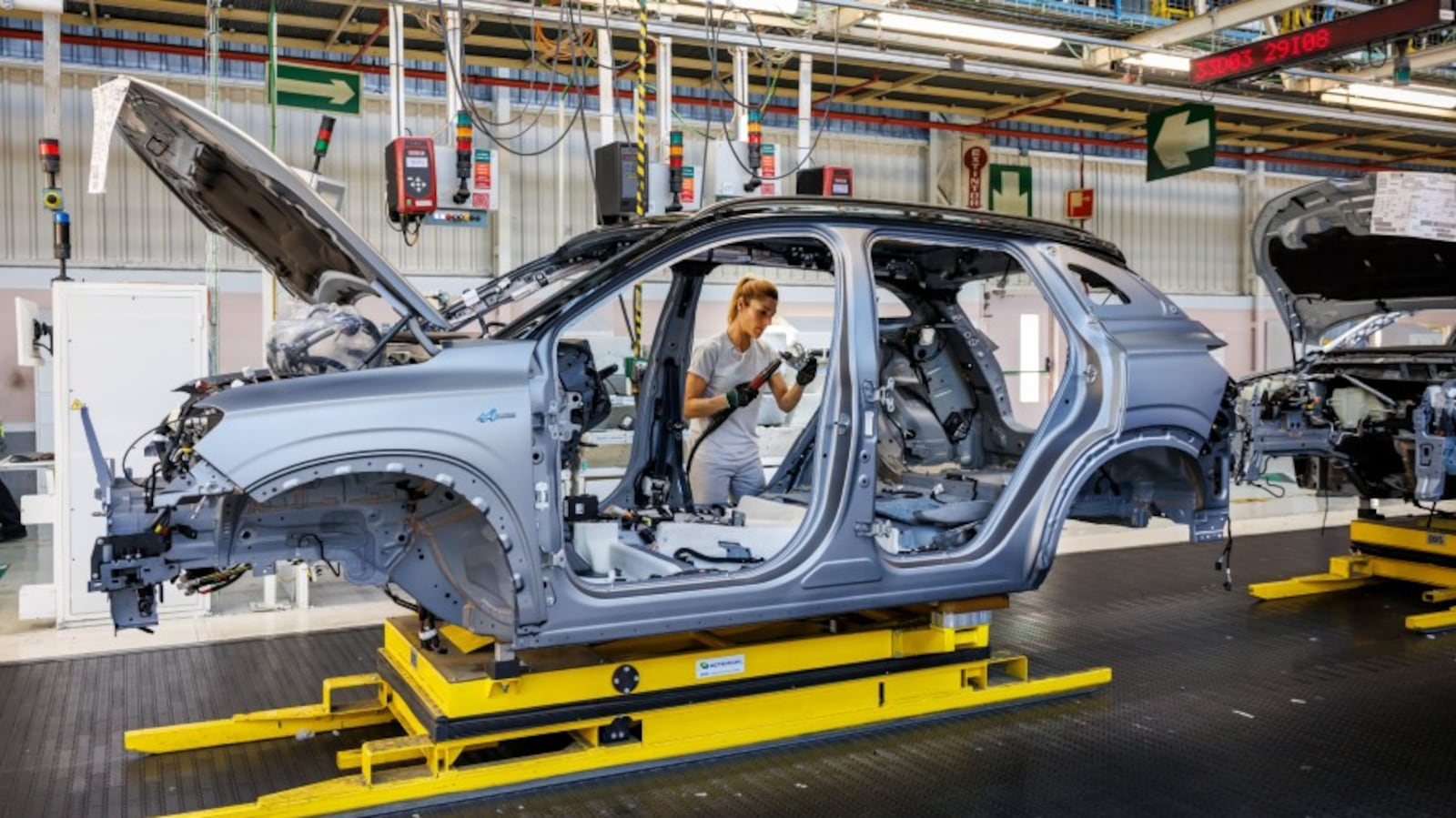
The initiative reflects growing concern in Brussels over the competitive pressure posed by Chinese electric vehicle manufacturers, which have rapidly expanded their global presence on the back of cost efficiencies, scale advantages, and vertically integrated supply chains. European policymakers fear that without targeted measures, domestic producers could lose market share in their home market, undermining jobs and industrial capacity.
By tying subsidies to local content, the Commission aims to align climate and industrial policy objectives. The EU has set ambitious decarbonisation targets and is heavily promoting electric mobility as part of its green transition strategy. Ensuring that the economic benefits of this transition remain within the bloc has become an increasingly prominent priority.
Industry observers note that such a requirement could accelerate investment in European battery production and component manufacturing, including projects supported under the EU’s broader strategic autonomy agenda. At the same time, the proposal may raise trade tensions if it is perceived as protectionist or inconsistent with international trade rules.
The proposal is still at a preliminary stage and would require approval from EU member states and the European Parliament before taking effect. Key questions remain over how “EU content” would be defined and calculated, as well as whether transitional arrangements would be introduced.
As global competition in the electric vehicle sector intensifies, the Commission’s planned move signals a stronger shift toward industrial policy tools designed to safeguard Europe’s manufacturing base while advancing its clean energy transition.